Plan your first holiday bake, week by week
Stir-up Sunday
The last Sunday before Advent is the traditional day to mix and steam the Christmas pudding. Rich fruit cakes are also made around now and "fed" with a spoonful of brandy every week or so, if you like.
Fill the freezer
Make shortbread and gingerbread dough, wrap in discs and freeze. Assemble unbaked mince pies in their tins and freeze them too.
Bake the stollen
Stollen improves with a little rest. Bake, cool, wrap in parchment and foil, and store somewhere cool.
Bake the biscuit tin
Bake thawed dough, cool completely, and fill airtight tins, keeping crisp and soft biscuits apart.
Meringues and sponges
Bake the pavlova shell and store airtight. Bake and roll the yule log sponge; make custard for trifle.
Finish, do not start
Whip cream, slice fruit, ganache the log, re-steam the pudding and bake the frozen mince pies.
Freezer-to-oven mince pies
Ingredients
- 250 g plain flour
- 125 g cold unsalted butter, cubed
- 1 tbsp caster sugar
- 1 large egg yolk
- 2–3 tbsp cold water
- 400 g mincemeat
- 1 egg, beaten, to glaze
- Icing sugar, to dust
Tradition English mincemeat once contained meat; most jars today are dried fruit, spice and suet or vegetable fat. Check labels for vegetarian guests.
Method
- Rub the butter into the flour and sugar until it resembles fine breadcrumbs.
- Mix the yolk with 2 tbsp water, add to the bowl and bring together, adding a little more water only if needed.
- Wrap and chill for 30 minutes.
- Roll to about 3 mm. Cut 12 bases with a 9 cm cutter and press into a 12-hole bun tin.
- Fill each with a heaped teaspoon of mincemeat. Cut 12 lids or stars with a 7 cm cutter and press on top.
- To freeze: open-freeze in the tin until solid, then pop out and store in a labelled freezer bag.
- To bake: return to the tin, glaze with beaten egg and bake for 15–20 minutes, adding about 5 minutes if baking from frozen, until golden.
- Cool for 10 minutes, then dust with icing sugar.
Technique Cold butter and minimal water keep pastry short. Warm hands melt the fat early; work quickly and chill if it softens.
 Freezer guidance
Label everything, thaw in the fridge
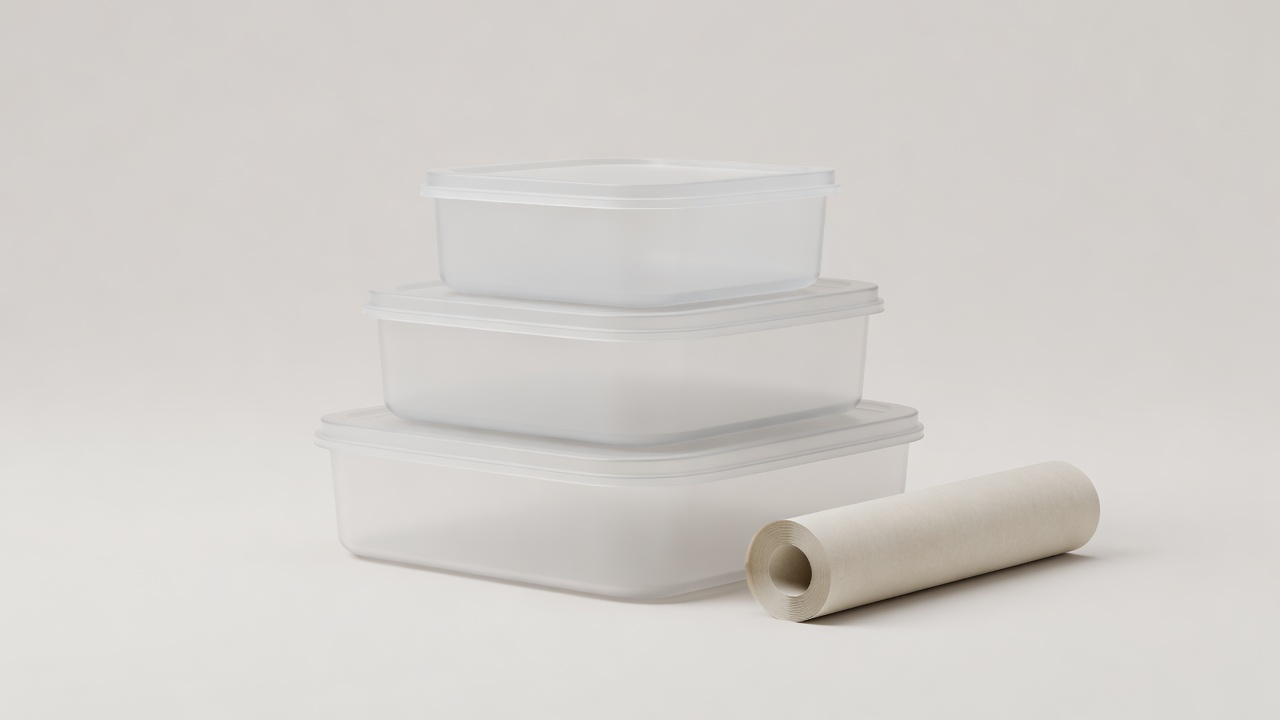
Write the name, date and baking instructions on every bag. Freezing pauses bacterial growth rather than killing it, so thaw perishable items such as cream-filled bakes in the fridge, not on the counter. Unbaked biscuit dough and pastry can go straight from fridge-thawed to the oven.
Cool quickly, chill promptly
USDA guidance is to refrigerate perishable food within two hours of cooking. Cool custards and cream fillings quickly in a shallow container before chilling. See FoodSafety.gov for storage charts.
Group by temperature
Bake everything at 160°C / 140°C fan / 325°F in one session (shortbread, slow biscuits), then raise the heat for 180–200°C bakes. One temperature change saves preheating time.
Count your racks
Write down how many cooling racks, tins and airtight containers you own. Running out of rack space is a common bottleneck on a busy baking day.
Keep one clean bench
If a guest has an allergy, bake their items first on clean equipment, store them separately and label clearly.
When the plan slips
I ran out of time for the pudding
A shop-bought pudding re-steamed at home is a perfectly reasonable swap. Put the saved time towards one homemade bake you enjoy most.
My frozen pastry cracked when baking
It may have been frozen uncovered and dried out. Open-freeze briefly, then bag tightly to prevent freezer burn.
The oven is booked for the main meal
Move all baking to the days before. On the day, choose desserts that need no oven: the yule log, trifle or a pre-baked pavlova shell.
Questions about your own plan? Ask a baker or browse kitchen help.