Choose contrast, then sequence
Across Europe, Christmas biscuits developed around keeping quality. Scottish shortbread relies on butter and very little moisture, so it stays crisp. German Lebkuchen from Nuremberg and Dutch speculaas, baked for St Nicholas on 5–6 December, use honey, treacle-like syrups and warm spices that mellow over days. Austrian Vanillekipferl are tender crescents rolled in vanilla sugar, and Linzer biscuits sandwich jam between two buttery rounds.
For a home assortment, three or four types are plenty: one buttery, one spiced, one nutty, and one filled or iced. Bake the sturdy ones first, because they keep longest. Leave jam-filled or iced biscuits until last, since moisture from fillings softens biscuits over time.
Classic shortbread (3:2:1 by weight)
Ingredients
- 300 g plain flour
- 200 g unsalted butter, softened
- 100 g caster sugar
- ¼ tsp fine salt
- 1 tbsp demerara sugar, to finish
Tradition The flour-butter-sugar ratio of 3:2:1 is the long-standing Scottish formula; nothing else is needed.
Method
- Line a 20 cm square tin with baking parchment.
- Beat the butter and caster sugar until smooth and pale, about 2 minutes. Do not aim for fluffy; too much air makes shortbread spread.
- Add the flour and salt. Mix on low or by hand just until a crumbly dough comes together.
- Press evenly into the tin with the back of a spoon. Prick all over with a fork and sprinkle with demerara.
- Chill for 20 minutes while the oven heats.
- Bake for 30–35 minutes until pale gold at the edges and set in the centre.
- Cut into fingers while still warm, then leave to cool completely in the tin before lifting out.
Technique Shortbread should be pale. A deep brown colour means the butter flavour is turning bitter; lower the shelf or shorten the bake next time.
Rolled gingerbread with golden syrup
Ingredients
- 350 g plain flour
- 1 tsp bicarbonate of soda
- 2 tsp ground ginger
- 1 tsp ground cinnamon
- 125 g unsalted butter, cubed
- 175 g light brown soft sugar
- 1 large egg, beaten
- 4 tbsp golden syrup
Method
- Combine flour, bicarbonate of soda and spices. Rub in the butter until it resembles breadcrumbs.
- Stir in the sugar, then add the egg and golden syrup. Mix into a smooth dough.
- Flatten into two discs, wrap and chill for 30 minutes.
- Roll between two sheets of parchment to about 5 mm. Cut shapes and place on lined trays.
- Chill the cut shapes for 15 minutes, then bake for 10–12 minutes until just firm at the edges.
- Cool for 10 minutes on the tray, then move to a wire rack. Ice only when fully cold.
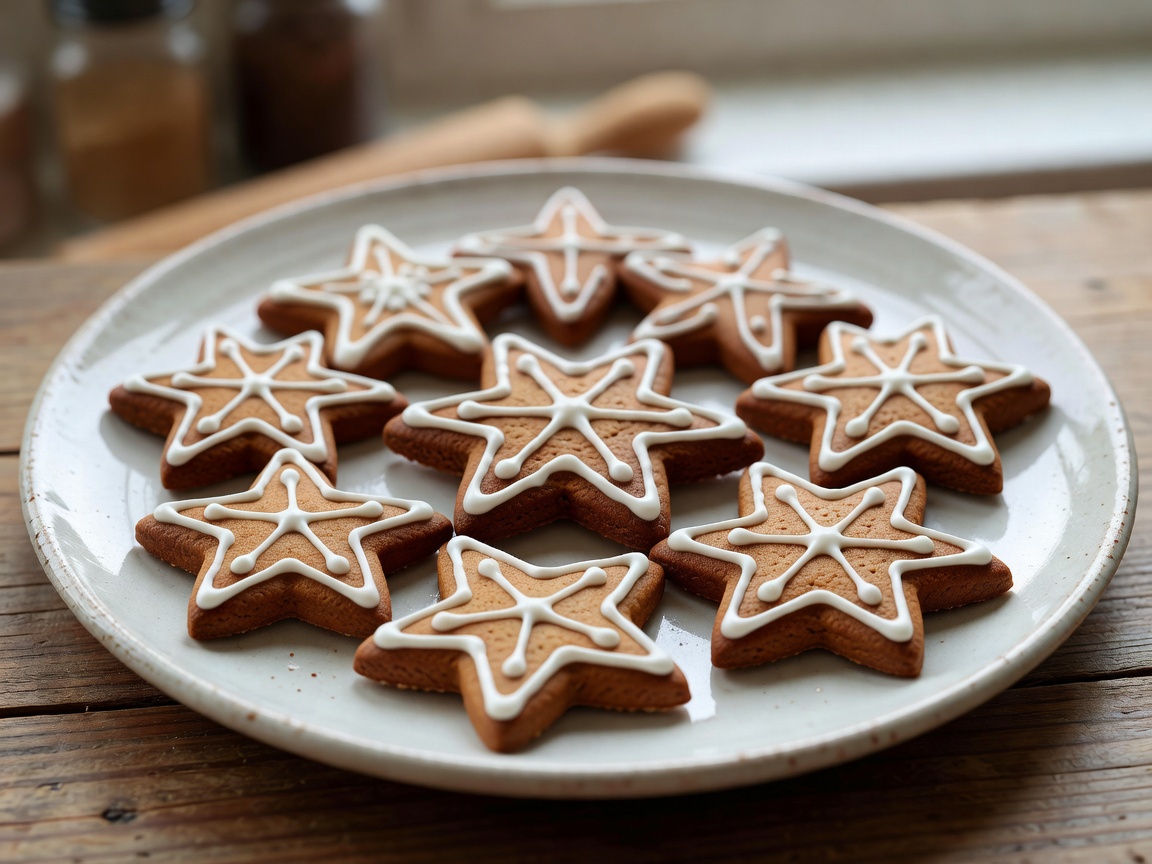
Tradition Swedish pepparkakor are rolled even thinner and baked crisp; the same dough rolled to 3 mm gives a similar snap.
Keep crisp and soft apart
Store crisp biscuits such as shortbread in one airtight tin and softer or iced biscuits in another. Moisture moves from soft to crisp, leaving both disappointing. Plain butter biscuits usually stay good for about a week in an airtight container.
Freeze the dough, not the icing
Wrapped discs of shortbread or gingerbread dough freeze well; many cooks keep them for up to three months. Thaw overnight in the fridge, then roll and bake. Iced biscuits can weep as they defrost, so ice after baking from frozen dough.
Bake before tasting
The US FDA and UK Food Standards Agency advise against eating raw dough. Raw flour has not been treated to kill bacteria, and raw egg carries its own risk. Royal icing made with raw egg white is best replaced with pasteurised egg white or meringue powder.
Label the tin
Vanillekipferl and Linzer biscuits usually contain ground almonds or hazelnuts. If you give biscuits as gifts, attach a short ingredients card listing nuts, wheat, egg and dairy.
When biscuits do not behave
My shapes spread and lost their edges
The dough was too warm or over-creamed. Chill cut shapes for 15 minutes before baking, and beat butter and sugar only until smooth.
My shortbread is hard rather than crumbly
Overworking develops gluten. Stop mixing as soon as the dough holds together, and press rather than knead it into the tin.
My gingerbread went soft in the tin
It was likely stored with something moist, or packed before it was fully cold. A brief 5-minute re-bake at 160°C / 140°C fan / 325°F can re-crisp plain, un-iced biscuits.
The bottoms burned before the tops coloured
Use a light-coloured tray, bake on the middle shelf, and slide a second tray underneath if your oven runs hot from below.
Next in the sequence: give festive bread a confident start.