Match the dessert to your calendar
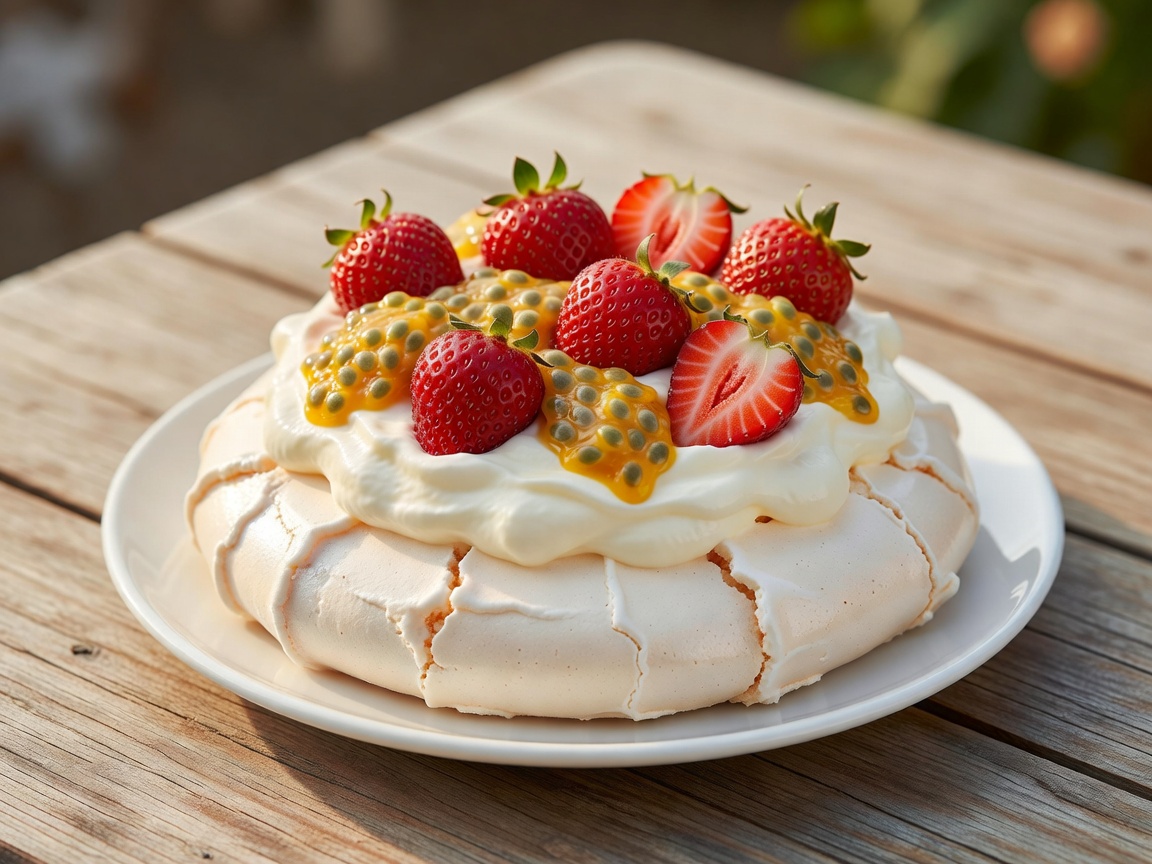
The French bûche de Noël imitates the Yule log once burned through the winter nights; a rolled chocolate sponge is its modern form. The British Christmas pudding is traditionally mixed on Stir-up Sunday, the last Sunday before Advent, and steamed again on the day. In Australia and New Zealand, where Christmas falls in summer, a meringue pavlova with fresh fruit is a common choice. Siena's dense panforte and the English trifle are other long-standing options.
Each has a different make-ahead window. A pudding can be made weeks ahead; a pavlova shell, a few days; a yule log sponge, a day. Pick the one that suits the time you actually have.
| Dessert | Make the base | Store base | Finish |
|---|---|---|---|
| Christmas pudding | Weeks ahead | Cool, dark cupboard, well wrapped | Re-steam about 1–2 hours on the day |
| Pavlova | 2–3 days ahead | Airtight container, room temperature | Cream and fruit within an hour of serving |
| Yule log | 1 day ahead | Rolled, wrapped, in the fridge | Ganache on the morning |
| Trifle | Custard and sponge 1 day ahead | Fridge | Whip and add cream on the day |
Chocolate yule log (bûche de Noël)
Sponge
- 4 large eggs
- 100 g caster sugar, plus extra for dusting
- 65 g plain flour
- 35 g cocoa powder
Filling
- 300 ml double cream
- 2 tbsp icing sugar
Ganache
- 200 g dark chocolate, chopped
- 200 ml double cream
Method
- Line the tin with parchment. Whisk eggs and sugar for 5–8 minutes until thick, pale and leaving a ribbon trail.
- Sift flour and cocoa over and fold in gently with a large spoon, keeping as much air as possible.
- Spread evenly into the tin and bake for 8–10 minutes, until the sponge springs back when lightly pressed.
- Turn out onto a sheet of parchment dusted with caster sugar. Peel off the lining and roll up from a short end with the sugared parchment inside. Leave to cool rolled.
- For the ganache, heat the cream until steaming, pour over the chocolate, wait 2 minutes, then stir until smooth. Cool until spreadable.
- Whip the cream with icing sugar to soft peaks. Unroll the cooled sponge, spread with cream and re-roll without the parchment.
- Cut a short diagonal piece from one end and set it against the side as a branch. Cover with ganache and drag a fork along it for bark.
- Chill for at least 1 hour. Keep refrigerated until serving.
Technique Rolling the sponge while warm "trains" it into a curve, so it is far less likely to crack when rolled again with filling.
A crisp shell, a soft middle
A common ratio is 4 egg whites to 225 g caster sugar, with 1 tsp cornflour and 1 tsp white wine vinegar. Bake low, around 120°C / 100°C fan / 250°F, for about 1 hour 15 minutes, then leave to cool in the switched-off oven to reduce cracking.
 Pudding notes
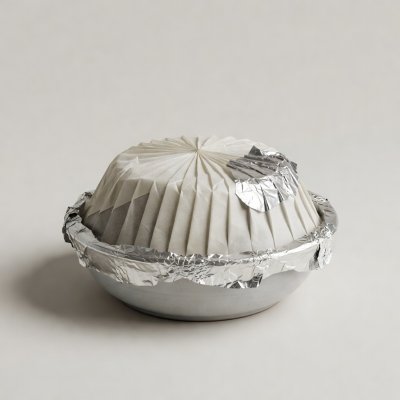
Pleat the cover
Fold a pleat into the parchment and foil lid so the pudding has room to rise, and keep the steaming water topped up from a kettle.
Cream belongs in the fridge
The USDA advises keeping perishable foods out of the 40–140°F (4–60°C) "danger zone" and not leaving them out for more than two hours. Keep the fridge at 40°F (4°C) or below; the UK FSA recommends 5°C or below.
Uncooked egg desserts
Mousses and tiramisu use raw or lightly cooked eggs. The UK FSA says British Lion-stamped eggs are considered safe for vulnerable groups when raw or lightly cooked; elsewhere, use pasteurised eggs for pregnant, very young, elderly or immunocompromised guests.
Flaming the pudding
If you flame a pudding with warmed brandy, clear the table area, keep decorations away, and never pour from the bottle near a flame.
Rescue notes for the centrepiece
My yule log cracked when I rolled it
It was over-baked or rolled after cooling. Cracks disappear under ganache bark, so carry on; next time, take it out as soon as it springs back.
My pavlova is weeping syrup
The sugar may not have dissolved. Add it a spoonful at a time and rub a little meringue between your fingers; it should feel smooth, not gritty.
My ganache split and looks greasy
It got too hot. Whisk in a tablespoon of warm milk or cream at a time until it comes back together.
The whipped cream turned grainy
It was over-whipped. Gently fold in a few spoonfuls of unwhipped cream to smooth it.
Next in the sequence: bake ahead without losing the details.